

Choosing the “best” web development course depends heavily on your individual needs and preferences. However, several institutes in Visakhapatnam consistently receive positive reviews and offer comprehensive programs in this field.
Top-rated institutes and programs :
When selecting the “best” web development course, it’s crucial to define your personal goals, learning style, and available resources. No single course fits everyone perfectly. Here’s a breakdown of top contenders based on different needs:
For beginners looking for a solid foundation
- freeCodeCamp: This free, comprehensive platform is project-based and covers responsive web design, JavaScript algorithms and data structures, and front-end development libraries like React.
- The Odin Project: Another free and highly-regarded option, The Odin Project provides a full-stack, project-focused curriculum emphasizing “learning to learn”.
- Codecademy: Offers interactive courses with a hands-on approach suitable for beginners, covering various coding languages and web development skills. They have a free tier with basic content and paid plans offering more in-depth learning and certifications.
- University of Michigan’s Web Design for Everybody (Coursera): This beginner-level specialization teaches the basics of web development, coding, and design principles, covering HTML, CSS, and JavaScript fundamentals.
- Internshala’s Web Development Course: This government-approved certificate course covers full-stack web development skills and is suitable for beginners with no prior knowledge.
For comprehensive full-stack training

- Frontend Developer Career Path (Coursedivine): Ideal for aspiring frontend developers, this course covers HTML, CSS, advanced JavaScript, React, UI design, and working with APIs.
- Node.js, Express, MongoDB & More: The Complete Bootcamp (Coursedivine): This course is for intermediate learners who want to master backend development with Node.js, Express, and MongoDB, including building a real-world application with a RESTful API.
- Meta Front-End Developer Professional Certificate (CourseDivine): This program provides a strong foundation in front-end development, including HTML5, CSS, JavaScript, React, Bootstrap, Figma, and GitHub, and includes career resources and interview preparation.
- Meta Full-Stack Developer (CourseDivine): This specialization teaches full-stack development, including Django, React.js, Mobile Development, and database management.
Factors to consider when choosing
- Your experience level: Are you a complete beginner or do you have some prior coding knowledge?
- Learning style: Do you prefer self-paced learning, interactive exercises, or a structured bootcamp environment?
- Career goals: Do you want to focus on frontend, backend, or full-stack development? Do you aim to get a job or pursue freelancing?
- Time commitment: How much time can you dedicate to learning each week?
- Budget: Free courses can be excellent, but paid options often offer more in-depth content, instructor support, and career assistance.
- Course Content and Curriculum: Ensure it covers the topics and technologies relevant to your interests and career goals, focusing on hands-on projects and industry relevance.
- Instructor Expertise and Reviews: Look for instructors with strong industry experience and positive reviews from previous students.
- Support and Community: Consider the availability of mentorship, discussion forums, and networking opportunities.
- Job Readiness and Placement Assistance: If your goal is to find a job, check if the course offers resume and interview preparation, job placement support, or connections with potential employers.
Many of the platforms mentioned offer free trials or demo classes, so it is recommended to explore a few options before committing to a paid course or program.
A front-end developer is a type of software developer who specializes in creating and designing the user interface (UI) and user experience (UX) of websites and web applications. The primary responsibility of a front-end developer is to ensure that the visual and interactive aspects of a website or application are user-friendly, aesthetically pleasing, and functionally efficient.
Front-end developers work with various technologies, tools, and languages, including:
- HTML (HyperText Markup Language): The standard markup language used to create the structure and layout of web pages.
- CSS (Cascading Style Sheets): A stylesheet language used to control the presentation, formatting, and appearance of web pages, such as colors, fonts, and layout.
- JavaScript: A programming language that allows developers to add interactivity, animations, and other dynamic elements to websites and web applications.
Front-end developers may also use libraries and frameworks, such as React, Angular, or Vue.js, to streamline their work and create more sophisticated and interactive UIs. Additionally, they often collaborate with back-end developers, who are responsible for the server-side logic and data management, to ensure seamless integration between the front-end and back-end components of a web application or website.
HTML, CSS, & JavaScript:
A front-end developer architects and develops websites and applications using web technologies (i.e., HTML, CSS, DOM, and JavaScript), which run on the Open Web Platform or act as compilation input for non-web platform environments (i.e., React Native).
Typically, a person enters into the field of front-end development by learning to develop HTML, CSS, and JavaScript which commonly runs in a web browser but can also run in a headless browser, or as compilation input for a native runtime environment. These four run times scenarios are explained below.
Web Browsers (most common) :
A web browser is software used to retrieve, present, and traverse information on the WWW. Typically, browsers run on a desktop or laptop computer, tablet, or phone, but as of late a browser can be found on just about anything (i.e, on a fridge, in cars, etc.).
The most common web browsers are (shown in order of most used first):
- Chrome
- Safari
- Microsoft Edge
- Firefox
Headless Browsers
Headless browsers are a web browser without a graphical user interface that can be controlled from a command line interface programmatically for the purpose of web page automation (e.g., functional testing, scraping, unit testing, etc.). Think of headless browsers as a browser that you can run from the command line that can retrieve and traverse web pages.
The most common headless browsers are:
- Headless Chromium
- Zombie
- slimerjs
Webviews
Webviews are used by a native OS, in a native application, to run web pages. Think of a webview like an iframe or a single tab from a web browser that is embedded in a native application running on a device (e.g., iOS, android, windows).
The most common solutions for webview development are:
- Electron (typically used for desktop apps)
- Tauri.js
- Cordova (typically for native phone/tablet apps)
- NW.js (typically used for desktop apps)
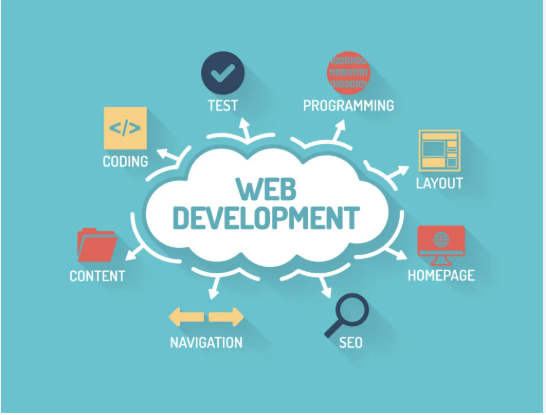
Embracing the Journey as a Frontend Developer: A Blend of Creativity and Technology
In today’s digital age, the role of a Frontend Developer has become indispensable. As the bridge between design and technology, frontend developers craft the user experience, ensuring that websites are not only functional but also visually appealing and intuitive. Here’s an overview of what it means to be a frontend developer and some key points to consider in this dynamic field.
1. The Role of a Frontend Developer:
- User-Centric Design: At the core of frontend development is the user. Frontend developers work closely with designers to translate design mockups into functional websites, ensuring that every element is intuitive and user-friendly.
- Technology Integration: A frontend developer’s role isn’t just about making things look good; it’s about ensuring that the website works smoothly across different devices and browsers. This requires a deep understanding of HTML, CSS, JavaScript, and modern frameworks like ReactJS or Angular.
- Performance Optimization: Speed is crucial in web development. Frontend developers optimize code, manage resources, and ensure that websites load quickly, providing a seamless experience for users.
- Key Skills and Tools:
- HTML5 & CSS3: The foundation of web development, these languages structure content and style it, making websites visually appealing and responsive.
- JavaScript & Frameworks: JavaScript adds interactivity to websites. Frameworks like ReactJS and Vue.js streamline the development process, making it easier to build complex, dynamic web applications.
- Version Control Systems (Git): Collaboration is key in development. Version control systems like Git allow developers to work together efficiently, tracking changes and managing code in a systematic way.
- Responsive Design: With the increasing use of mobile devices, ensuring that websites work across different screen sizes is essential. Tools like Bootstrap and media queries in CSS are invaluable in creating responsive designs.
- The Creative Aspect:
- Collaboration with Designers: Frontend developers often work hand-in-hand with UX/UI designers, transforming their creative visions into functional digital interfaces. This collaboration is where technology meets artistry.
- Innovative Solutions: Every project presents unique challenges. Frontend developers must think outside the box, devising creative solutions that meet both the client’s needs and the user’s expectations.
4. Challenges in Frontend Development:
- Cross-Browser Compatibility: Ensuring that websites function properly across different browsers can be challenging due to varying support for web standards.
- Keeping Up with Trends: The world of frontend development is constantly evolving. Developers must stay up-to-date with the latest technologies, frameworks, and best practices.
- Performance Optimization: Balancing aesthetics with performance is a continuous challenge. Developers must ensure that the website looks good while also loading quickly and efficiently.
- Conclusion: Being a frontend developer is more than just writing code; it’s about creating digital experiences that delight users and meet business goals. It’s a role that requires a blend of creativity, technical skills, and continuous learning. For those passionate about web development, the journey is as rewarding as it is challenging.